Ethan Young’s final will
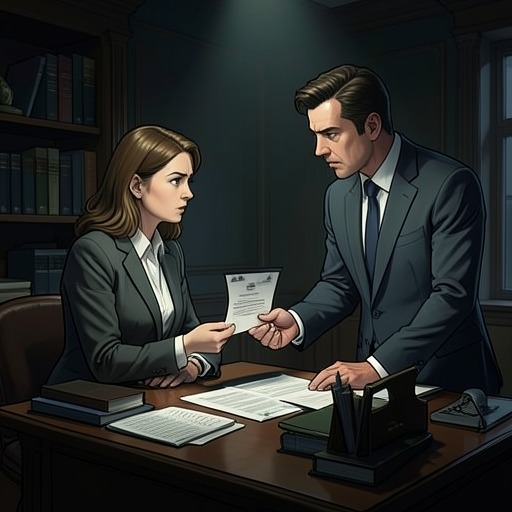
The Last Thing He Told MeEthan Young’s final will is the more complete testament left by Owen Michaels under his real name, Ethan Young. Found inside Bailey’s steel piggy bank, it turns an obscure object into a consequential record of Owen’s preparations for Bailey’s care. Its guardianship provisions show that Owen had chosen Hannah Hall as Bailey’s primary guardian, while its other named conditions leave Hannah weighing what Owen’s instructions say—and whom they require her to trust.
Discovery and Identity
Jules tells Hannah that Max found a safecracker in downtown San Francisco, a ninety-seven-year-old named Marty, who opened the steel piggy bank after listening to it for five minutes. The object’s small, everyday appearance contrasts with the importance of what it contains: a will for Owen Michaels, identified there as Ethan Young. The document is not the will Hannah had retrieved from Owen’s laptop. It is the more complete will alluded to by that other document, as though the reference had been a private signal directing her toward something still undiscovered.
That distinction makes the will more than a duplicate. Hannah understands it as Owen’s real testament, connected to the identity he concealed and to preparations made outside the version she already knew. The evidence does not disclose every provision, but the discovery changes how she reads Owen’s earlier arrangements: there was another layer of planning, and its meaning now has to be pieced together while Bailey is missing.
Guardianship Provisions
Hannah first asks Jules what the will says about Bailey’s guardians. Jules reports that Hannah is named Bailey’s primary guardian not only in the event of Owen’s death but also if he is unable to care for his daughter himself. The provision therefore anticipates more than one kind of separation between father and daughter. It assigns Hannah responsibility in circumstances where Owen is gone and where he remains alive but cannot provide care.
Jules explains that the document gives different rules depending on whether Owen is unable to care for Bailey and on Bailey’s age. As Jules reads, Hannah listens closely and writes down names she recognizes. The will’s structure suggests that Owen planned for changing circumstances rather than leaving Bailey’s future to a single contingency, though the call does not reveal the full set of rules or the other provisions in detail.
Hannah’s Response and the Names in the Will
Learning that she is Bailey’s primary guardian strikes Hannah as evidence of Owen’s trust. She wonders when he decided she could care for Bailey and when he came to believe that living with her was what Bailey needed. The recognition is painful and affirming at once: Owen had made a choice about Bailey’s future, but Bailey is missing from the city, and Hannah believes she allowed that to happen.
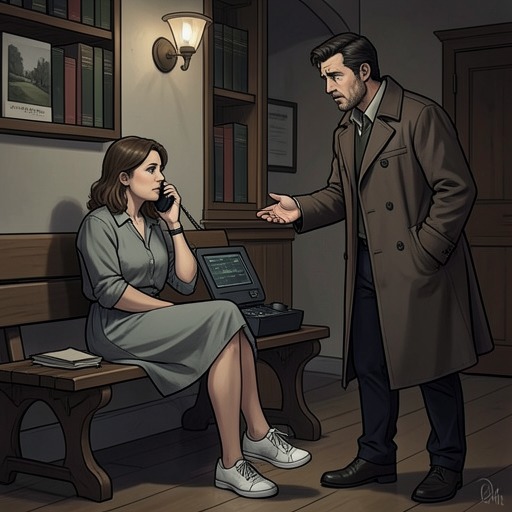
Hannah limits what Jules reads aloud because she suspects someone may be listening to the call. Rather than ask for the entire will, she asks whether it mentions other names. While Jules reads the relevant provisions, Hannah takes notes, but her attention settles on one particular name: Charlie Smith. When Jules says it, Hannah stops writing and ends the call, having reached the question she needed to face—whether Charlie can be trusted, and whether Owen trusted him despite reasons not to.
Significance
The will converts Owen’s concealed past into practical obligations in the present. Its designation of Hannah gives their relationship a consequence beyond intimacy: Owen had formally planned for her to care for Bailey if he could not. At the same time, the document does not resolve Hannah’s immediate danger or her uncertainty about Charlie. It gives her names and conditional instructions, not certainty. Jules’s warning as they end the call, in place of her usual expression of affection, underscores the pressure surrounding Hannah’s next decision.